Ayiti before 1492: the land of the Taíno

Long before any European ship reached its shores, the island was home to the Taíno people. They called it Ayiti, often translated as “land of high mountains.” Other names passed down by tradition are Kiskeya and Bohio.
Five chiefdoms
The island was organized into five chiefdoms, each led by a cacique: Marién, Maguá, Maguana, Xaragua, and Higüey. Among the best remembered leaders are Caonabo of Maguana and Anacaona of Xaragua, a poet and ruler still honored in Haiti today.
A way of life
The Taíno farmed cassava and maize, fished the coasts, and traveled between islands in large canoes. Their ceremonies, called areytos, joined song, dance, and history. Several words we use every day come from their language, including hammock, canoe, barbecue, and hurricane.
1492 and after
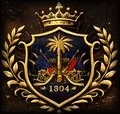
Christopher Columbus reached the island in December 1492. Within a few decades, violence, forced labor, and disease had destroyed most of the Taíno population. Three centuries later, in 1804, the founders of the new nation chose the Taíno name for their country: Haiti.


